The Obelisks of Rome
A Pointed Walking Tour
When you walk around Rome, no matter which way you turn, you are likely to see the sky pierced by an obelisk. It is a defining part of the Roman skyline. But they don’t really belong here.
Rome is a city that has never been shy about borrowing greatness. Few monuments illustrate that better than its obelisks. While these towering stone needles feel quintessentially Roman today, they began life in ancient Egypt, most carved along the Nile. While there they were associated with the sun god and served as symbols of divine favor and royal power. Today, Rome boasts thirteen ancient obelisks, more than anywhere else in the world, including Egypt itself.
Their journey to Rome began after Augustus conquered Egypt following the defeat of Antony and Cleopatra in 30 BCE. Bringing obelisks to the capital was more than an exercise in decorating the city; it was a statement of conquest. Egypt's sacred monuments had become Roman trophies, proclaiming that a new empire now enjoyed the favor of the gods. Later emperors continued importing obelisks, scattering them across circuses, temples, and public spaces.
Centuries later, the popes inherited these pagan monuments and gave them a new purpose. Crosses replaced gilded finials, Christian inscriptions replaced imperial ones, and obelisks once dedicated to the Egyptian sun god were recast as symbols of the triumph of the Church. The result is one of Rome's most fascinating traditions: monuments that have survived three civilizations, each convinced the obelisks belonged to them.
Vatican Obelisk
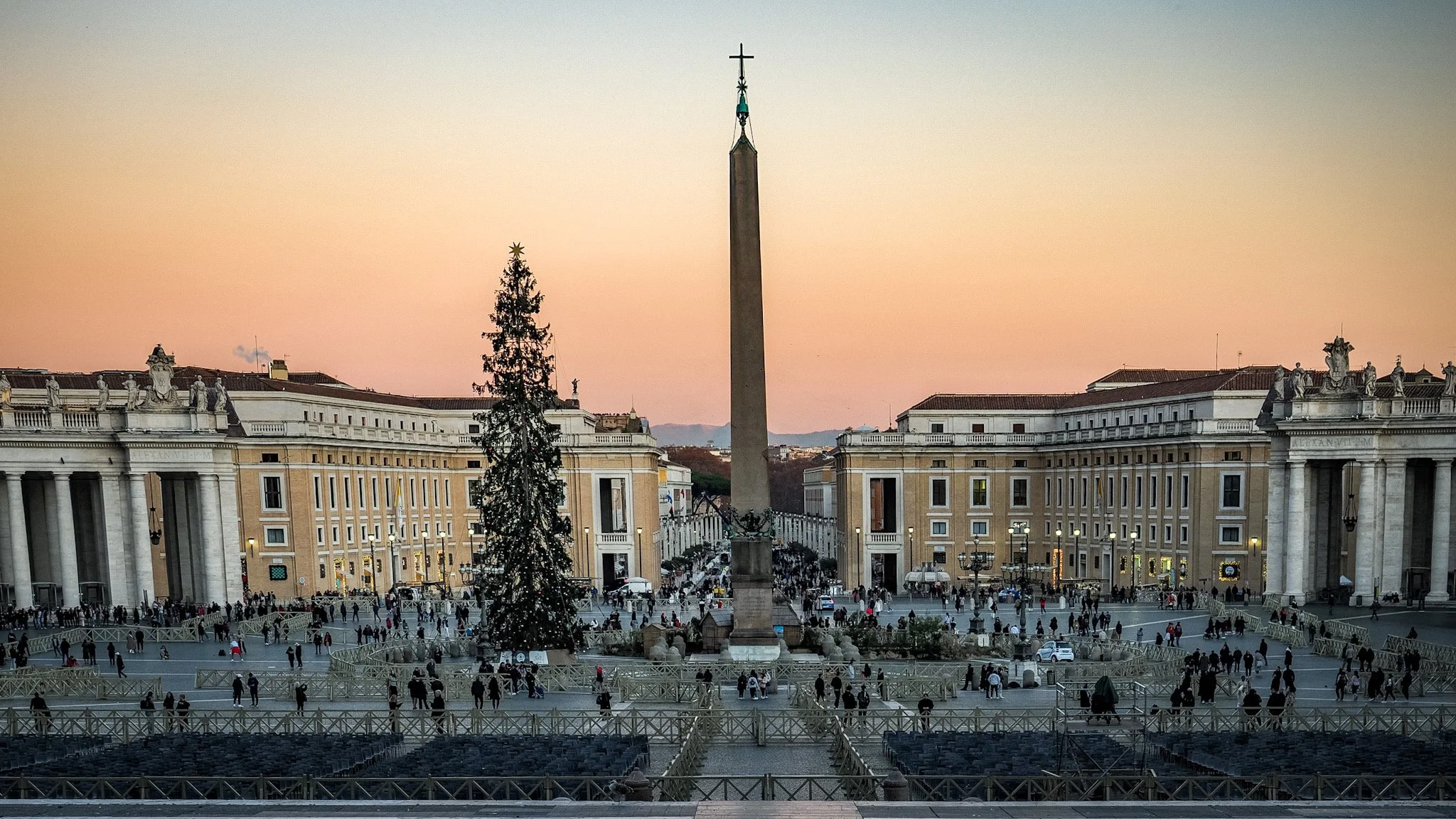
The most famous is the obelisk in St. Peter’s Square, the Vatican Obelisk. Unlike many others, it was never toppled after antiquity. It began life in Egypt, probably in Heliopolis, before being brought to Rome by the emperor Caligula in the first century CE to decorate his circus. It stood there quietly witnessing the ebbs and flows of the city, until Pope Sixtus V had it moved in 1586 to its current position in front of St. Peter’s Basilica. The relocation itself was a feat of Renaissance engineering and a not-so-subtle statement: the triumph of Christianity over pagan Rome, symbolized by literally repositioning an ancient monument.
Lateran Obelisk
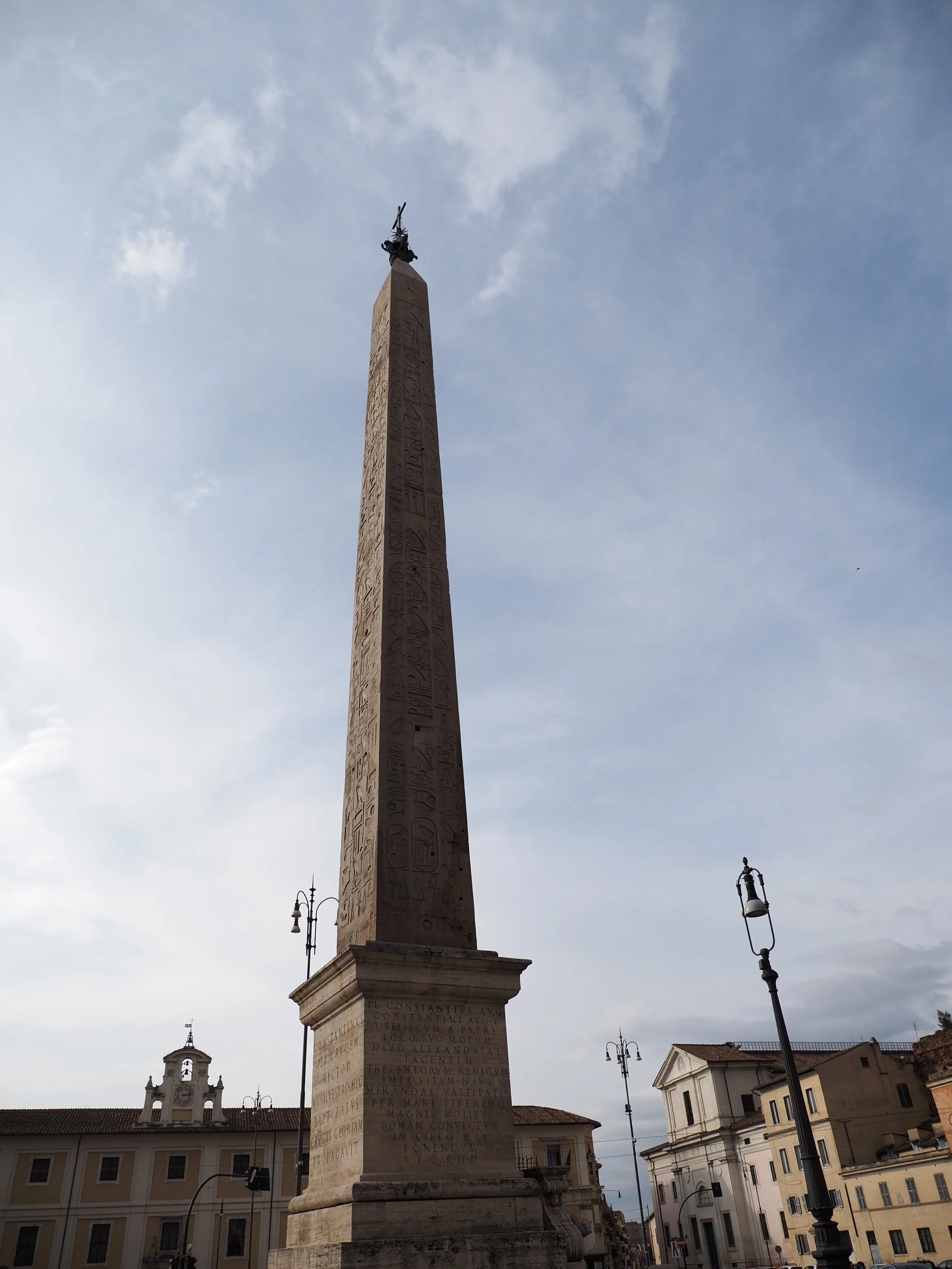
Not far away, though far older in spirit, is the towering obelisk at the Lateran Obelisk, the tallest of them all. Originally commissioned by Pharaoh Thutmose III and completed by Thutmose IV, it was brought to Rome by Emperor Constantius II in the 4th century CE. Today it stands in front of Basilica of San Giovanni in Laterano, one of the four major papal basilicas and a worthwhile visit in and of itself. Its journey from ancient Egypt to imperial Rome to papal Rome reads like a condensed history of Mediterranean power shifts.
Obelisk in Piazza Navona
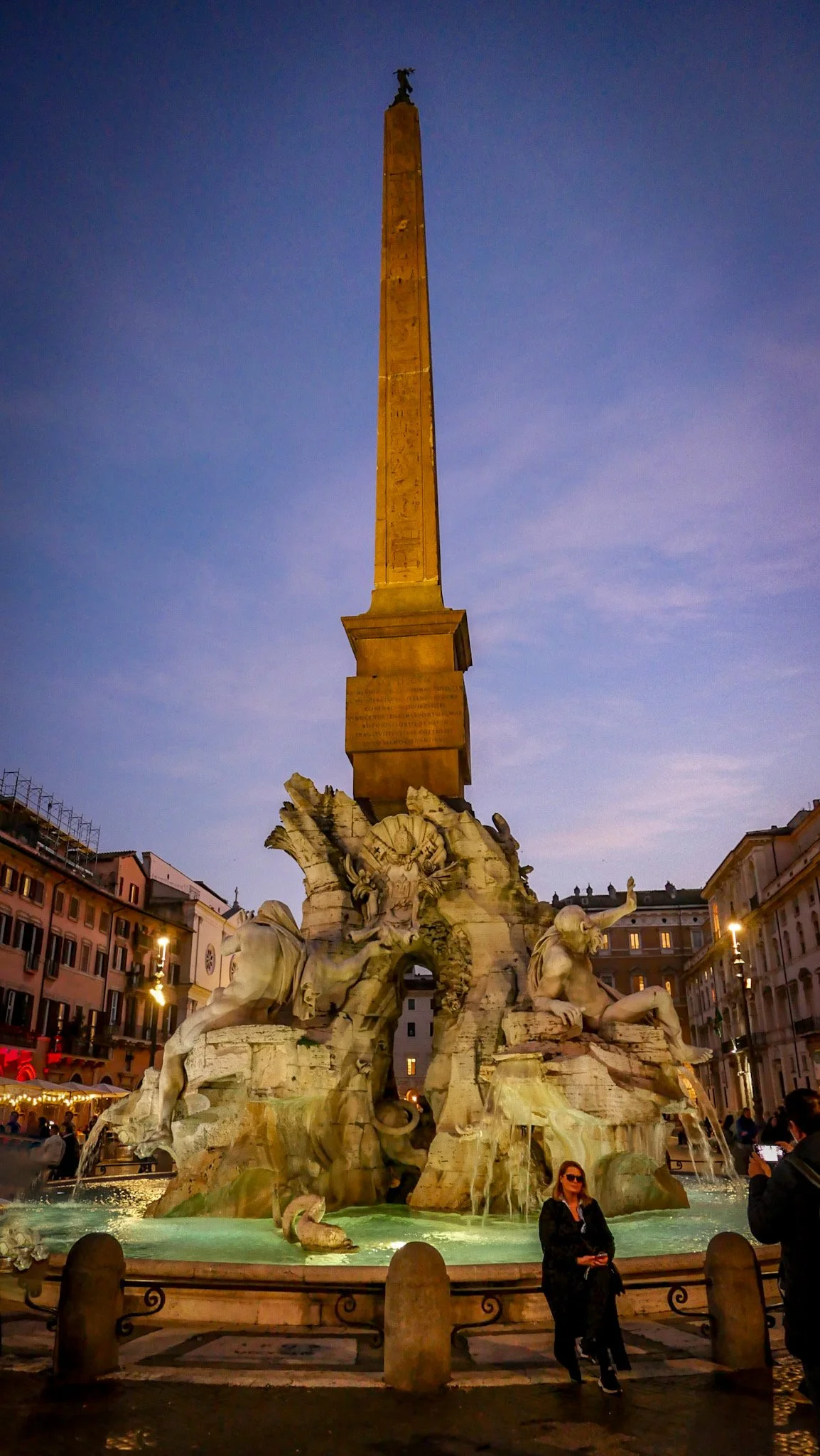
If you wander into the city center, you’ll encounter the elegant obelisk in Piazza Navona, part of Bernini’s famous Fountain of the Four Rivers. This obelisk is Roman-made, not Egyptian, though it imitates Egyptian style closely enough to fool the casual observer. Commissioned under Emperor Domitian, it later was transformed by Gian Lorenzo Bernini into a dramatic centerpiece. It’s a good reminder that Rome didn’t just import Egyptian culture, it learned to reproduce and remix it.
Piazza della Rotonda
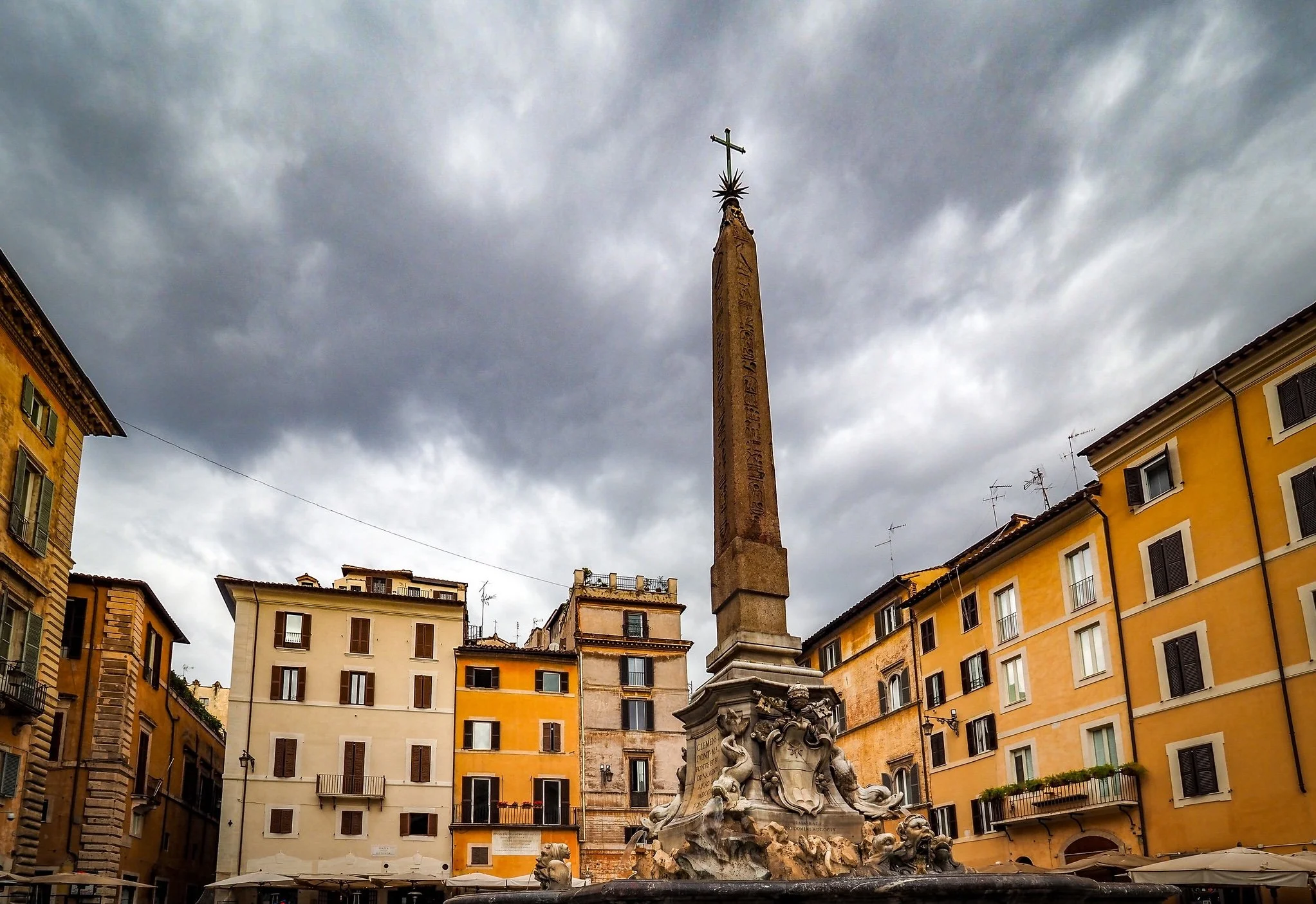
A short walk away, in Piazza della Rotonda, stands a smaller obelisk in front of the Pantheon. This one dates back to the time of Ramses II and was likely part of a pair. Like many obelisks in Rome, it was rediscovered in fragments during the Renaissance and pieced back together.
Sallustian Obelisk
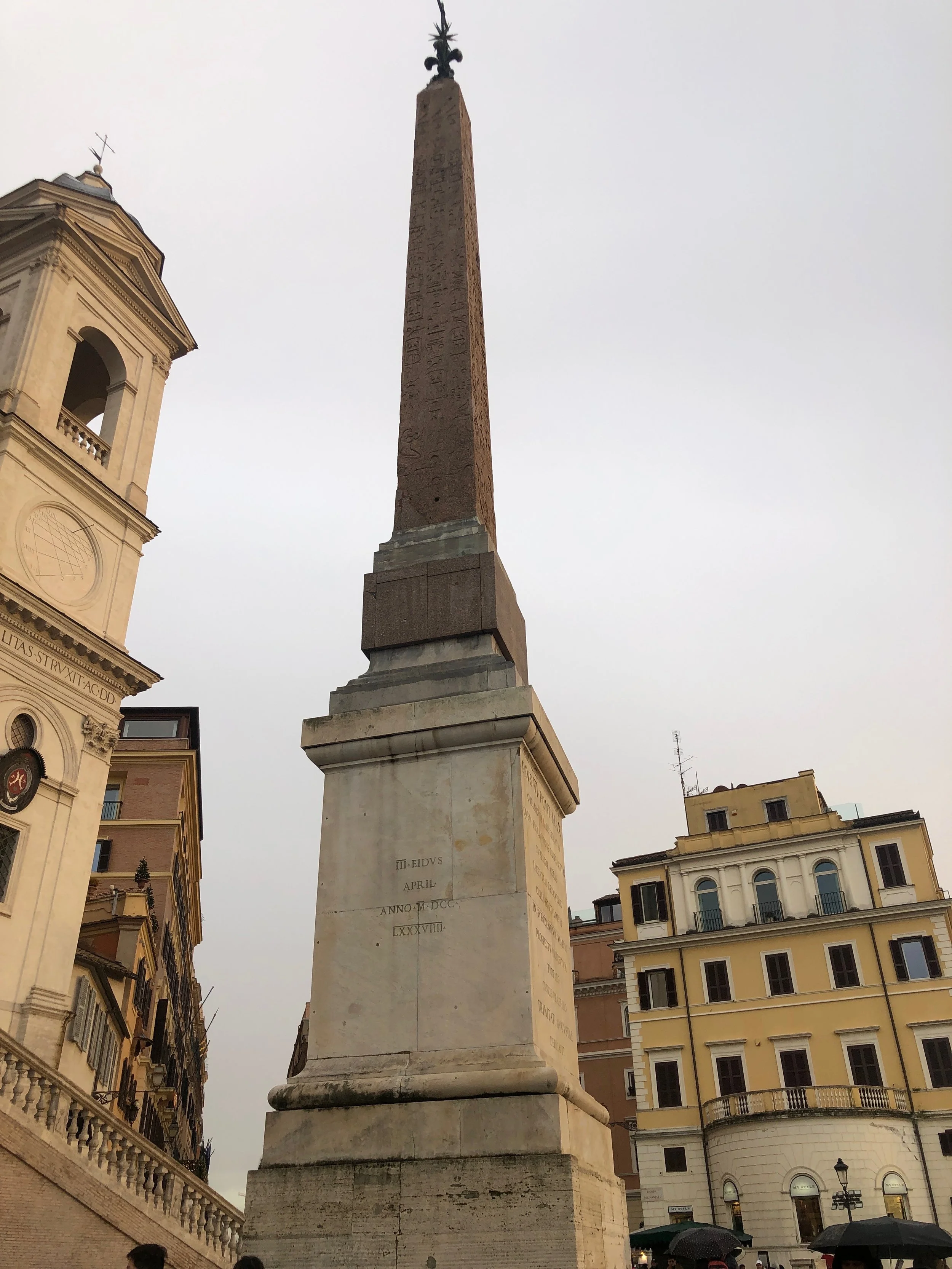
Then there’s the obelisk at Spanish Steps, officially the Sallustian Obelisk, perched above the famous staircase at Piazza di Spagna. This one is another Roman-era imitation, probably created for the Gardens of Sallust. It wasn’t moved to its current location until the 18th century, when it was used to crown the steps with a suitably dramatic flourish. By this point, obelisks had become part of Rome’s visual language. It was less about Egypt and more about the city’s own identity.
Piazza della Minerva Obelisk
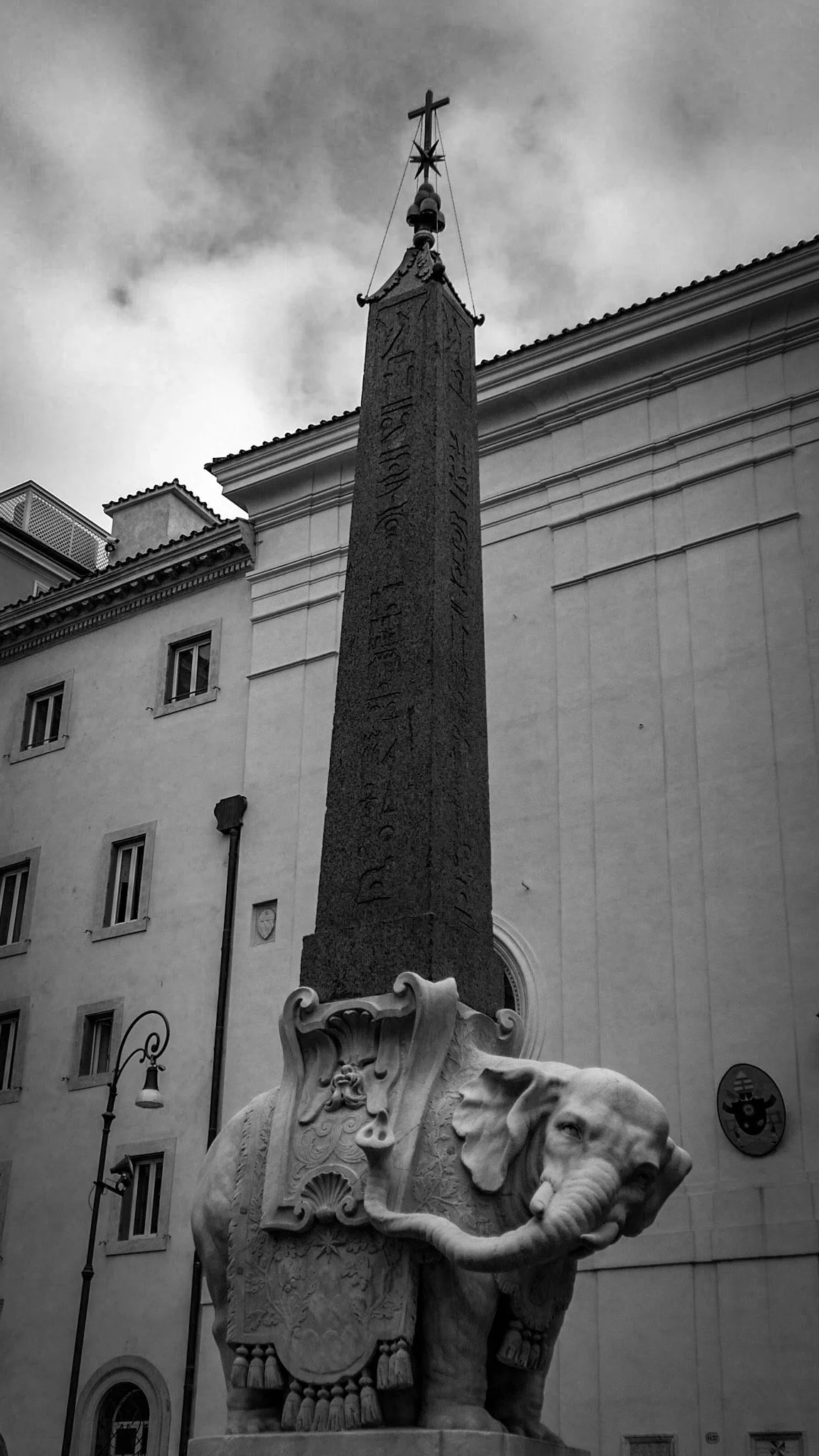
One of the most charming is the obelisk carried by an elephant in Piazza della Minerva. Designed by Bernini, the sculpture supports a small Egyptian obelisk originally from the Temple of Isis. It was brought to Rome by Domitian, and rediscovered in the 1600s near Santa Maria sopra Minerva. It then needed a suitably clever setting. Pope Alexander VII wanted more than a pedestal—he wanted a statement about divine wisdom. After rejecting safer options, he turned to Gian Lorenzo Bernini, who proposed an elephant carrying the obelisk.
The execution, predictably, involved some meddling. A Dominican supervisor insisted on adding a solid support block beneath the elephant, resulting in the slightly stout figure you see today—quickly nicknamed “Minerva’s pig” by locals. As for the elephant’s rear-facing stance toward the nearby convent? Tradition says Bernini positioned it that way on purpose. Whether true or not, it’s exactly the kind of story Rome likes to keep alive.
A Walk Around the City
If you want to experience these monuments in a single outing, Rome makes it surprisingly easy. A good walking route starts at St. Peter’s Square with the Vatican Obelisk. From there, cross the Tiber and head toward Piazza Navona to see Bernini’s dramatic composition. Continue a few minutes to the Pantheon for its more modest counterpart, then walk to Piazza della Minerva to find the elephant obelisk.
From there, make your way to the Spanish Steps for the Sallustian Obelisk, enjoying the gradual climb and the shifting views of the city. If you still have energy, you can extend the route further southeast to San Giovanni in Laterano to see the Lateran Obelisk—though at that point, you may want to consider a bus or taxi unless you’re feeling particularly committed to the walking tour theme.
Taken together, these obelisks form a kind of open-air museum of Rome’s long history of appropriation and reinvention. They began as sacred markers of Egyptian solar worship, became trophies of Roman conquest, and were later repurposed as symbols of Christian triumph and urban grandeur. Today, they’re simply part of the scenery—easy to overlook, but endlessly revealing once you start paying attention. In a city full of layers, the obelisks stand as vertical timelines, pointing not just to the sky but back through thousands of years of human ambition.